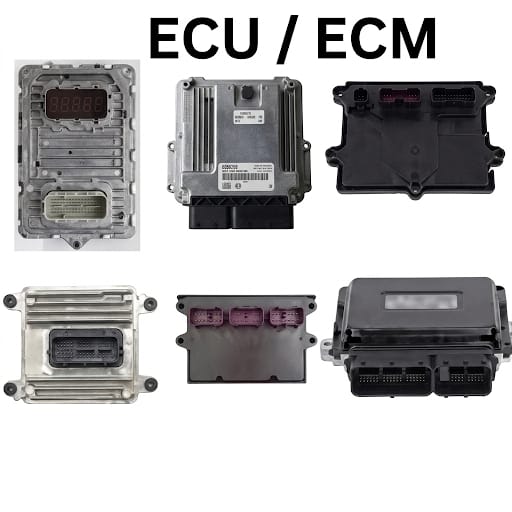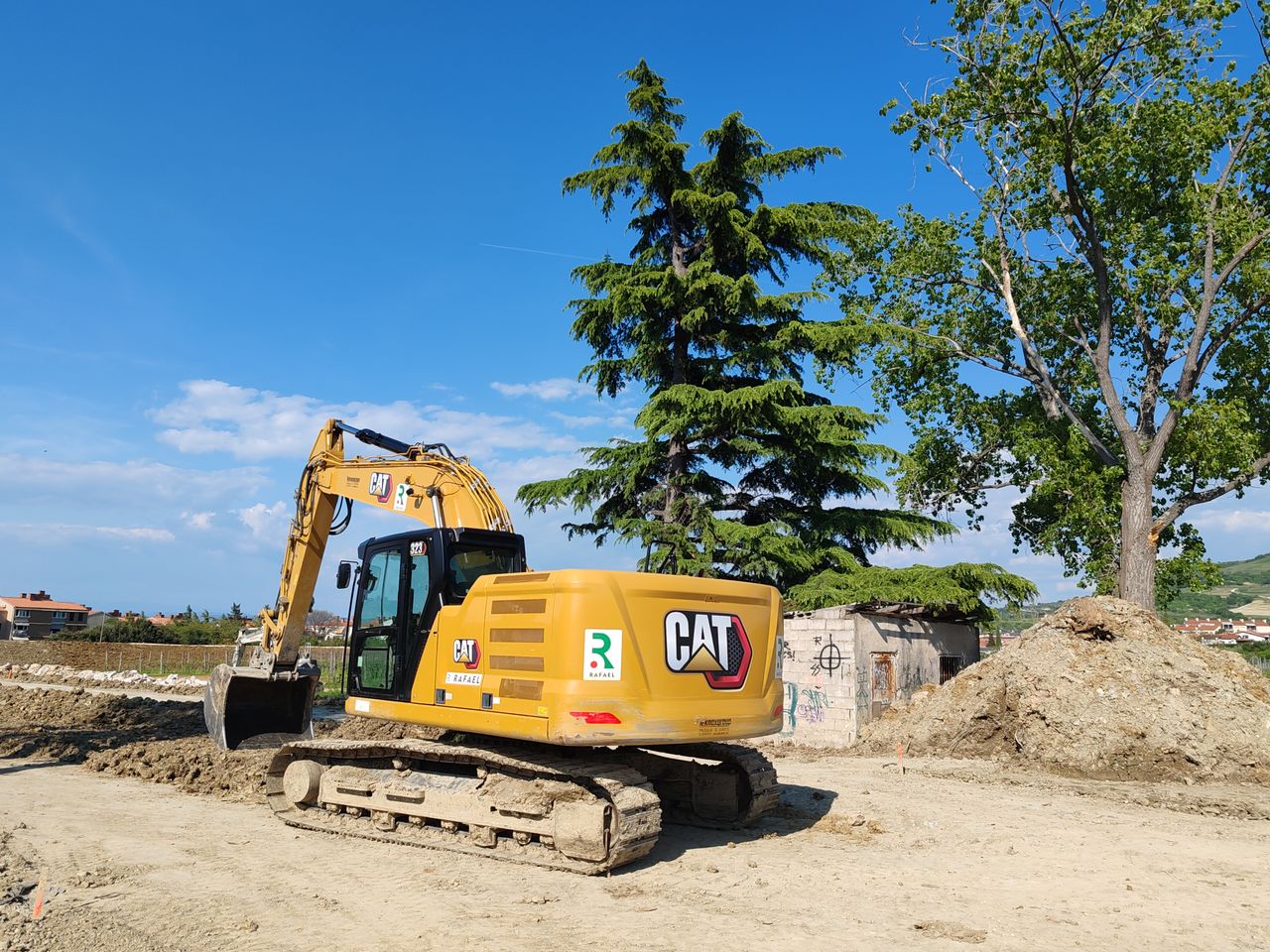

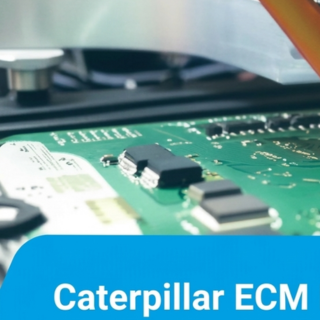
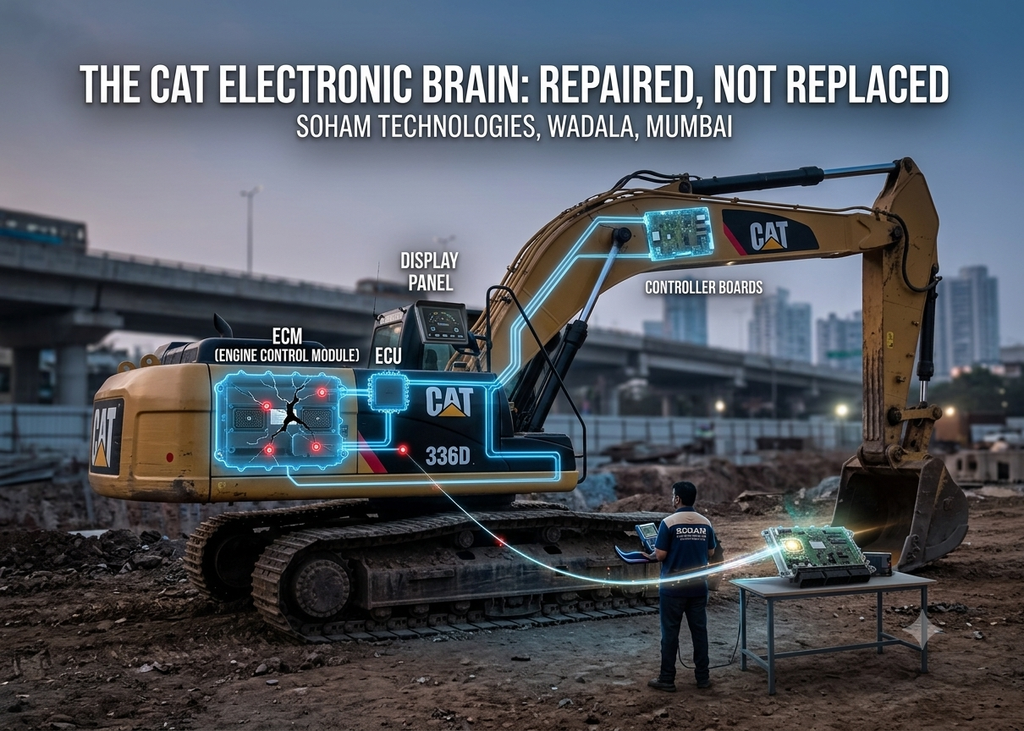
Heavy machinery made by Caterpillar (CAT)—including hydraulic excavators, wheel loaders, backhoes, and track-type tractors—forms the backbone of modern construction, mining, and infrastructure projects. Operating these multi-ton giants in demanding environments requires precise coordination between mechanical hardware and advanced electronics. At the center of this coordination is a complex network of electronic control units (ECUs), engine control modules (ECMs), operator display panels, and specialized circuit boards.
When a CAT excavator experiences an electronic failure, operations grind to a halt. Unplanned downtime costs hundreds of dollars per hour in lost productivity, idle labor, and missed project deadlines. Machine owners and fleet managers are often advised to replace faulty electronic modules entirely. However, buying new OEM modules is expensive and can lead to long lead times.
At Soham Technologies, based in Wadala, Mumbai, we provide comprehensive, component-level repair services for Caterpillar heavy equipment electronics. By fixing damaged electronic components directly on the circuit board, we restore your machinery to peak performance at a fraction of the cost of OEM replacement.
Understanding the Brain of Your Caterpillar Machinery
Modern Caterpillar equipment relies on dedicated microprocessors that analyze sensor data, execute commands, and maintain overall operating balance.
1. The Engine Control Module (ECM) & Electronic Control Unit (ECU)
The ECM acts as the central command unit for the diesel engine. It regulates fuel injection timing, air-to-fuel ratios, turbocharger pressure, emission controls, and thermal management. The ECU communicates with other sub-controllers across a CAN bus network to harmonize engine speed with hydraulic load demands. When the ECU or ECM fails, the engine may misfire, lose horsepower, enter “limp mode,” or fail to start entirely.
2. Operator Display Panels & Digital Monitors
The cab display panel is the operator’s primary window into machine health. Modern CAT excavator monitors show real-time hydraulic pressure, coolant temperature, engine RPM, fuel efficiency, diagnostic fault codes (DTCs), and rear-camera video feeds. A failed display panel leaves operators unable to monitor critical safety thresholds or adjust working modes.
3. Main Loader & Excavator Controller Boards
Beyond engine management, auxiliary controller boards handle heavy-duty tasks such as hydraulic pump displacement, swing-gear brake engagement, boom/arm motion control, and transmission shifting. In CAT wheel loaders, these controller boards govern direction changes, torque converter lockups, and bucket leveling.
Common Causes of Caterpillar Electronics Failure
Industrial electronics operating on construction and mining sites are subjected to continuous environmental and electrical stress. Understanding why these components fail helps fleet managers implement effective preventive practices.
- Voltage Spikes & Electrical Overloads: Sudden voltage surges caused by jump-starting machines with incorrect battery boosters, faulty alternators, or frame arc-welding without disconnecting the ECM harness can instantly destroy delicate logic ICs and power transistors.
- Moisture Ingress & Corrosion: Exposure to rain, high humidity, or high-pressure pressure washing can breach worn rubber weather seals on controller housings. Moisture leads to corrosion on PCB traces, pin bridges, and short circuits.
- Thermal Stress & Overheating: Engine compartments generate extreme heat. Thermal expansion and contraction over thousands of operating hours cause solder joints to fracture (cold solder joints), breaking electrical continuity.
- Vibration and Mechanical Shock: Heavy excavation, rock breaking, and rough terrain subject circuit boards to intense vibration. Over time, heavy onboard components like capacitors, transformers, and heat-sink mounts can break away from solder pads.
- Sensor & Harness Wiring Shorts: Damaged wiring harnesses that rub against the metal chassis can short high-voltage lines directly into sensor input channels, bypassing internal protection diodes and burning out ECM input circuits.
Specialized Repair Capabilities at Soham Technologies
Instead of replacing expensive electronic assemblies, Soham Technologies offers precise component-level troubleshooting and board repair.
  +-----------------------------------------------------------------------+
  |                   DIAGNOSTIC & REPAIR WORKFLOW                        |
  +-----------------------------------------------------------------------+
  |  1. Visual & Thermal Inspection (Identify burnt traces & shorts)      |
  |  2. Oscilloscope & Signal Logic Analysis (Trace faulty ICs)          |
  |  3. Micro-Soldering & Component Replacement (IGBTs, MOSFETs, CPUs)     |
  |  4. Conformal Coating & Weather Seal Restoration                      |
  |  5. Bench Test & Simulated Load Verification                         |
  +-----------------------------------------------------------------------+
1. CAT Excavator ECU ECM Repair
Our workshop in Wadala is equipped with diagnostic tools, oscilloscopes, signal generators, and micro-soldering stations. Our technical team diagnoses and repairs:
- Blown power supply sections and voltage regulator ICs.
- Damaged fuel injector driver channels and MOSFET switches.
- Corroded CAN bus communication interface chips.
- Corrupted firmware flash memory chips (recertification and re-flashing).
- Damaged connector header pins and PCB trace restoration.
2. Caterpillar Excavator Display Panel Repair
A blank or flickering cab monitor does not always require a costly panel replacement. We specialize in restoring CAT display units by repairing:
- Cracked or non-responsive touchscreen digitizers.
- Failed LCD backlights and inverter circuits.
- Blown power input protection diodes caused by reverse polarity.
- Damaged display controller processor chips and graphic memory.
- Faulty keypads, buttons, and rotary encoder switches.
3. CAT Loader Controller Board Repair
Transmission and hydraulic controller boards on wheel loaders operate under heavy duty cycles. We troubleshoot and rebuild these boards by resolving:
- Solenoid driver circuit failures causing erratic gear shifts.
- Sensor power supply rail drops (e.g., 5V reference drops).
- Intermittent machine shutdown errors caused by vibration-damaged joints.
- Relays, optocouplers, and signal isolation components.
Component-Level Repair vs. Full OEM Replacement
When an electronic module fails, equipment owners are usually faced with two choices: buy a brand-new module from the OEM dealer, or send the failed module to a specialized repair center.
| Comparison Metric | Component-Level Repair (Soham Technologies) | Full OEM Module Replacement |
| Direct Cost | 60% to 70% Lower than purchasing new modules. | Extremely expensive OEM unit pricing. |
| Lead Time | Fast (24-72 hours), reducing machine downtime. | Weeks or months waiting for import stock. |
| Sustainability | Eco-Friendly: Keeps functional hardware out of industrial e-waste. | Discards entire functional boards due to single burnt ICs. |
| Data Preservation | Retains existing engine hours, history, and calibration data. | Requires dealer re-programming and parameter flashing. |
| Quality Testing | Full bench-testing under simulated field loads before dispatch. | Factory sealed, requiring on-machine troubleshooting. |
Step-by-Step Diagnostic & Repair Process
To ensure high reliability, Soham Technologies follows a structured repair process:
- Initial De-casing & Ultrasonic Cleaning: The unit is safely dismantled, and the circuit board undergoes ultrasonic cleaning to remove dirt, grease, and carbon buildup.
- Thermal & Microscopic Inspection: High-resolution digital microscopes and thermal imaging cameras are used to spot hot spots, short circuits, and microscopic trace cracks.
- Point-to-Point Electrical Testing: Engineers test individual diodes, capacitors, transistors, and microcontrollers to isolate damaged components.
- Precision Component Replacement: Defective components are replaced with high-grade, industrial-spec parts using temperature-controlled soldering stations.
- Protective Conformal Coating: Repaired circuit boards receive a fresh coat of industrial-grade conformal sealant to guard against future moisture, dust, and vibration.
- Final Load Testing: The repaired ECU or display panel is hooked up to test benches that simulate real-world machine inputs, verifying CAN bus communication and stability under load.
Preventive Maintenance Tips for Machinery Owners
To extend the lifespan of your Caterpillar electronic control units and prevent premature failure, follow these best practices:
- Disconnect ECM Before Frame Welding: Always disconnect all wiring harness connectors from the ECM and ECU before performing arc welding on any part of the machine.
- Maintain Healthy Batteries & Alternators: Weak or dying batteries cause voltage fluctuations that stress internal voltage regulators. Ensure alternator output voltage remains stable.
- Avoid High-Pressure Spraying on Enclosures: Never spray high-pressure hot water directly onto ECM housings or cab display screens.
- Inspect Harness Connections Regularly: Keep harness connectors clean, tight, and free of oil contamination. Ensure rubber sealing gaskets are intact to stop water ingress.
Partner with Soham Technologies for Industrial Electronics Repair
When heavy machinery stops working, every hour counts. Soham Technologies provides quick, reliable, and cost-effective component-level repair services for Caterpillar excavators, loaders, and other heavy industrial machinery. Serving client sites across Mumbai, Navi Mumbai, Thane, and major industrial hubs in India, our expert repair engineers ensure your equipment gets back to work with minimal delay.
Contact Soham Technologies today for quick diagnostic evaluations and expert electronic repair services.